
Saturday, June 30, 2012

Friday, June 29, 2012
Interview: Lindsay's Pet Sitting in Waterloo, WI
Who watches your pets when you're away on vacation? Many of us are lucky enough to have a trusted friend or family member to care for our pets when we're away, but sometimes that's not a possibility. There are many pet sitters available for hire--it can be overwhelming with all the choices! It's hard to know which pet sitter is best qualified, who you can trust with your pets, and who will treat your pets with the same love and respect you give them. It's even more difficult when you live in rural Dane County, outside of the service area of many Madison-based pet sitters. Mad About Pets wants to make your job a little easier: meet Lindsay's Pet Sitting! Lindsay's Pet Sitting is based out of Waterloo, Wisconsin and serves other surrounding communities. Lindsay is a lifelong pet lover and has over 20 years of professional experience with animals. She was kind enough to grant Mad About Pets an exclusive interview about her pet sitting business. Get to know Lindsay, your new favorite pet sitter!
What is your personal background with pets? Do you currently have any of your own?
I have been working with all kinds of animals since I was 6-7 years old. I grew up with a bunch too: dogs, cats, rabbits, reptiles (iguanas, chamelions, etc), rodents (gerbils, mice, rats, etc), and of course fish. (In fact, my parents took a picture of me in my crib touching nose-to-nose with our Dachshund Charlie.) If I wasn't in school, I was attending animal care classes, dog training classes, and helping care for family's and friends' pets. I started training dogs when I was 14-15 years old in obedience, and when I was 16 I worked my first job at the Washington County Humane Society as an animal caregiver. I just continued working in various animal jobs up until currently. The list of places include the Dodge Country Humane Society as an animal caregiver, adoption counselor, receptionist, and working with the Beaver Dam Police Department for animal/stray control and on cruelty cases. I also worked at Dane County Humane Society, Spring Harbor Animal Hospital as a caregiver and vet assistant, I was a manager at a dog daycare, I worked at Pet Supermarket in Madison, and various boarding kennels around the state. I also have done animal behavior modification for aggressive dogs and cats over the years, through the humane societies and with various dog trainers. I also have volunteered at various humane societies for vaccination clinics. I have worked with all breeds of dogs, cats, rabbits, birds (including cockatiels and parrots), chinchillas, ferrets, snakes, lizards, amphibians, sugar gliders, and SO many more. I was always doing something with animals on my free time as I grew up.
What made you decide to pursue pet sitting?
I have always enjoyed caring for people's pets. It was always a natural thing for friends and family to contact me to care for their pets. They knew I had a strong passion for animal care, had a good rapport with animals, and made a connection that was very spiritual with the animals. 3 years ago I moved to Waterloo due to a divorce. At that time I noticed there weren't many options for boarding around this area. As I met people, and they found out what I did for a living, they asked me to care for their pets. (I was also hearing from a number of people they were upset with the boarding prices at many of the facilities around and that it was inconvienient to drive 20-30 miles one way to board their pet. PLUS their pets were anxiety-ridden about being boarded in a kennel.) I was commuting to my job at a pet care facility on Nesbitt Rd in Madison 5 days a week, driving a total of 500 miles a week. There came a point I couldn't drive that much, due to gas prices, anymore. This past February I decided to market my own pet sitting services. I figured with over 20 years of animal care experience under my belt, and other qualifications (which I'll mention in a bit) and the need in this community for this kind of service, I felt it was a good fit. Animal care has always been a passion, I honestly couldn't envision being happy doing anything else.
Do you have any special training or qualifications that set you apart as a pet sitter?
Besides my previous experience mentioned, in 1997 I took a 3 month Humane Education Class at the Hinsdale Humane Society in Hinsdale, Illinois. I also attended an animal behavior class and lecture while I was working at the Dodge County Humane Society (the class taught how to reduce stress in shelter animals). Then, back in July of 2010 I completed a course for Emergency First Aid for Pets at Emergency Medical Training Services out of Brookfield, WI (run by an instructor through the Red Cross), and became certified in animal CPR and Heimlich. My pet sitting is also fully insured through American Family Insurance.
What kinds of animals do you serve? Do you have any restrictions?
I care for all kinds of animals. I have no restrictions. Dogs (all breeds, I'm 100% comfortable around Rottweilers, Dobermans, Shepherds, and the bully breeds), cats, birds, rabbits, exotics (chinchillas, sugar gliders, wildlife, etc), lizards, repitles (yes even snakes-I have no fear of them), amphibians, and even livestock (I have clients who have llamas, sheep, steers, horses, etc). I have always had dogs and cats of my own, but I've also had 2 chinchillas and 4 ferrets in the past. I've grown up with Great Danes, Bassets, and a Shepherd/Collie mix, so I'm used to BIG dogs. I've also rehabilitated a red squirrel and a grey squirrel. Currently, I have 7 cats, 2 dogs (a Basset Hound and a Pembroke Welsh Corgi/Miniature Poodle mix), a mini-lop bunny, 5 sugar gliders, 2 gerbils, and two 50 gallon fish tanks. One of the tanks is all chichlids (which are aggressive fish), the other tank is a community tank with a Snakeskin Gourami, various species of tetras, etc which are non-aggressive fish. So, as you can see, this passion still carries on in my personal life.
Where is your service area?
My service area is Waterloo, Watertown, Lake Mills, Marshall, Sun Prairie, and all the country roads in-between.
Why should Mad About Pets' readers hire Lindsay's Pet Sitting over other pet sitters?
As I tell everyone, I take animal care seriously. Animals can't speak, and they trust us, so we need to show them that respect and love back and work to understand them and their needs. In my eyes, animal care doesn't take a vacation, just because it's a holiday and everyone else is not working, that doesn't mean your pets don't need care during that time. I apply that dedication to every single animal I care for. I am always flexible and don't mind working through the holidays. I'm a no-nonsense kind of person. In my eyes, someone saying on paper why they're "the best" is a good selling point, but it's the personal connection I make with the owner and the pets (and my experience) that speaks for itself. Pet sitting IS my full time job, I do not have another full-time job. This is considered a part-time position, but I also am the Alderperson for Ward 4/5 on the Waterloo City Council currently. I also am on the Community Development Committee, Public Safety and Health Committee, the Plan Commission, and the Library Board. So, I'm very involved with the community, and serving the public politically has run through generations of my family. Everyone from my great aunt, to my grandma, then my mom (she also was the Municipal Court Judge in Horicon as I was growing up) have "politically served" either in their communities, and even in Washington D.C.
Where can readers find more information about Lindsay's Pet Sitting?
As I tell everyone, my preferred method of finding out about my services is to call me at 608-279-4264. While email is ok, I prefer speaking to an actual person, I believe there is a level of respect due when working with people's pets. Email, or any other electronic method, is very impersonal in my opinion, and I pride myself on establishing a real-life in-person bond with someone. Otherwise for simple inquiries people can check out my Facebook page: www.facebook.com/lindsayspetsitting or email me: kitt...@gmail.com
 |
| Lindsay and pals |
I have been working with all kinds of animals since I was 6-7 years old. I grew up with a bunch too: dogs, cats, rabbits, reptiles (iguanas, chamelions, etc), rodents (gerbils, mice, rats, etc), and of course fish. (In fact, my parents took a picture of me in my crib touching nose-to-nose with our Dachshund Charlie.) If I wasn't in school, I was attending animal care classes, dog training classes, and helping care for family's and friends' pets. I started training dogs when I was 14-15 years old in obedience, and when I was 16 I worked my first job at the Washington County Humane Society as an animal caregiver. I just continued working in various animal jobs up until currently. The list of places include the Dodge Country Humane Society as an animal caregiver, adoption counselor, receptionist, and working with the Beaver Dam Police Department for animal/stray control and on cruelty cases. I also worked at Dane County Humane Society, Spring Harbor Animal Hospital as a caregiver and vet assistant, I was a manager at a dog daycare, I worked at Pet Supermarket in Madison, and various boarding kennels around the state. I also have done animal behavior modification for aggressive dogs and cats over the years, through the humane societies and with various dog trainers. I also have volunteered at various humane societies for vaccination clinics. I have worked with all breeds of dogs, cats, rabbits, birds (including cockatiels and parrots), chinchillas, ferrets, snakes, lizards, amphibians, sugar gliders, and SO many more. I was always doing something with animals on my free time as I grew up.
 |
| Willie and Laurel, two of Lindsay's cats |
I have always enjoyed caring for people's pets. It was always a natural thing for friends and family to contact me to care for their pets. They knew I had a strong passion for animal care, had a good rapport with animals, and made a connection that was very spiritual with the animals. 3 years ago I moved to Waterloo due to a divorce. At that time I noticed there weren't many options for boarding around this area. As I met people, and they found out what I did for a living, they asked me to care for their pets. (I was also hearing from a number of people they were upset with the boarding prices at many of the facilities around and that it was inconvienient to drive 20-30 miles one way to board their pet. PLUS their pets were anxiety-ridden about being boarded in a kennel.) I was commuting to my job at a pet care facility on Nesbitt Rd in Madison 5 days a week, driving a total of 500 miles a week. There came a point I couldn't drive that much, due to gas prices, anymore. This past February I decided to market my own pet sitting services. I figured with over 20 years of animal care experience under my belt, and other qualifications (which I'll mention in a bit) and the need in this community for this kind of service, I felt it was a good fit. Animal care has always been a passion, I honestly couldn't envision being happy doing anything else.
Do you have any special training or qualifications that set you apart as a pet sitter?
Besides my previous experience mentioned, in 1997 I took a 3 month Humane Education Class at the Hinsdale Humane Society in Hinsdale, Illinois. I also attended an animal behavior class and lecture while I was working at the Dodge County Humane Society (the class taught how to reduce stress in shelter animals). Then, back in July of 2010 I completed a course for Emergency First Aid for Pets at Emergency Medical Training Services out of Brookfield, WI (run by an instructor through the Red Cross), and became certified in animal CPR and Heimlich. My pet sitting is also fully insured through American Family Insurance.
 |
| Lindsay's sugar gliders |
I care for all kinds of animals. I have no restrictions. Dogs (all breeds, I'm 100% comfortable around Rottweilers, Dobermans, Shepherds, and the bully breeds), cats, birds, rabbits, exotics (chinchillas, sugar gliders, wildlife, etc), lizards, repitles (yes even snakes-I have no fear of them), amphibians, and even livestock (I have clients who have llamas, sheep, steers, horses, etc). I have always had dogs and cats of my own, but I've also had 2 chinchillas and 4 ferrets in the past. I've grown up with Great Danes, Bassets, and a Shepherd/Collie mix, so I'm used to BIG dogs. I've also rehabilitated a red squirrel and a grey squirrel. Currently, I have 7 cats, 2 dogs (a Basset Hound and a Pembroke Welsh Corgi/Miniature Poodle mix), a mini-lop bunny, 5 sugar gliders, 2 gerbils, and two 50 gallon fish tanks. One of the tanks is all chichlids (which are aggressive fish), the other tank is a community tank with a Snakeskin Gourami, various species of tetras, etc which are non-aggressive fish. So, as you can see, this passion still carries on in my personal life.
 |
| Contact Lindsay's Pet Sitting to see if you're in her service area! |
My service area is Waterloo, Watertown, Lake Mills, Marshall, Sun Prairie, and all the country roads in-between.
Why should Mad About Pets' readers hire Lindsay's Pet Sitting over other pet sitters?
As I tell everyone, I take animal care seriously. Animals can't speak, and they trust us, so we need to show them that respect and love back and work to understand them and their needs. In my eyes, animal care doesn't take a vacation, just because it's a holiday and everyone else is not working, that doesn't mean your pets don't need care during that time. I apply that dedication to every single animal I care for. I am always flexible and don't mind working through the holidays. I'm a no-nonsense kind of person. In my eyes, someone saying on paper why they're "the best" is a good selling point, but it's the personal connection I make with the owner and the pets (and my experience) that speaks for itself. Pet sitting IS my full time job, I do not have another full-time job. This is considered a part-time position, but I also am the Alderperson for Ward 4/5 on the Waterloo City Council currently. I also am on the Community Development Committee, Public Safety and Health Committee, the Plan Commission, and the Library Board. So, I'm very involved with the community, and serving the public politically has run through generations of my family. Everyone from my great aunt, to my grandma, then my mom (she also was the Municipal Court Judge in Horicon as I was growing up) have "politically served" either in their communities, and even in Washington D.C.
 |
| Willie and Bella |
As I tell everyone, my preferred method of finding out about my services is to call me at 608-279-4264. While email is ok, I prefer speaking to an actual person, I believe there is a level of respect due when working with people's pets. Email, or any other electronic method, is very impersonal in my opinion, and I pride myself on establishing a real-life in-person bond with someone. Otherwise for simple inquiries people can check out my Facebook page: www.facebook.com/lindsayspetsitting or email me: kitt...@gmail.com
Thursday, June 28, 2012
Barking Bubbles Dog Wash Fundraiser

The second annual Barking Bubbles Fundraiser for Customer Canines Service Dog Academy takes place this Saturday from 11:00 am to 4:00 pm. For a small donation of just $10 your pooch will get a bath with luxurious pet spa shampoos. Nail trims also available for $10.
All money raised goes to Custom Canines www.customcanines.org, a local non-profit organization that raise and train service dogs to be placed with people in need free of charge. 100 dirty dogs are needed to reach our goal of raising $1,000 so bring your dog by for a summer bath.
All money raised goes to Custom Canines www.customcanines.org, a local non-profit organization that raise and train service dogs to be placed with people in need free of charge. 100 dirty dogs are needed to reach our goal of raising $1,000 so bring your dog by for a summer bath.
Date: Saturday June 30th, 2012
Time: 11:00 am to 4:00 pm
Place: CH Pet Gifts, 100 East Main Street, Sun Prairie, WI 53590
Phone: (608) 318-2000
RSVP to this event on Facebook by clicking here - Another great way to spread the word about this fantastic event.
Wednesday, June 27, 2012
Protecting your health when you have pets
As you are undoubtedly aware, responsible pet ownership involves not only caring for your pets, but also taking care of yourself. In 2011, Americans spent more than $13 billion on veterinary care and almost the same amount in pet supplies and over-the-counter medications. Keeping your pet healthy ensures she or he is happy, which can help prevent situations that can damage your pet's health and even yours. Unfortunately, there are medical issues that can occur due to having a pet in the home, from allergies to injuries resulting from playing too roughly. Investing in health insurance is a great way to protect yourself from possible risks associated with pet ownership.
Proven to be beneficial to human health in many ways, pet ownership can sometimes have negative effects as well. Minor injuries, such as a scratch from a startled cat, or more serious wounds like dog bites can result from interactions with your pets and other animals in your neighborhood. Obtaining health insurance for your whole household protects you against unexpected financial consequences if your pet accidentally injures you. Injuries like a scratch or ankle that gets sprained during a run around the neighborhood are often treatable at home, but a bite from a dog or other pet may require a trip to the emergency room.
It's always wise to keep in mind that you own an animal, no matter how domesticated she or he may be. When you first bring a pet home, she may be afraid of her new surroundings and bite as a defense mechanism. The same can happen when your pet meets another animal in your home or during a walk. Pet ownership isn't usually dangerous, but taking precautions is smart. As summer temperatures spike, the chance of dehydration, a bad sunburn or heatstroke after an afternoon at the dog park is possible. Have fun with your pet but always keep your health needs in mind. Regardless of your financial situation, you can find an individual or family health insurance policy with the right balance of low premiums and out-of-pocket costs to take care of your needs.
Avoiding liability for pet-related injuries
Although your health insurance will cover you if your pet injures you, it will not cover any claims for people who are not listed on your household's policy. For protection against liability claims if your pet injures someone else, you'll need to include your pet on your homeowner's insurance policy. Therefore, discuss your pet with your insurance agent early in establishing your policy to ensure you get adequate coverage. Be sure as well to amend your policy when a new pet joins your family.
Having the right health insurance can help ensure proper medical care so your whole household remains healthy and happy. Chances are you won't have any issues with your pet, aside from being plagued by stray hair on your clothes and furniture, but it's always a good idea to be prepared for misadventure just in case. Choose an insurance plan that fits into your household budget and enables you to look out for the well-being of your whole household – including your pets.
Cameron Tyler is an animal lover who takes great pride in his pets and protects himself with great health insurance.
Proven to be beneficial to human health in many ways, pet ownership can sometimes have negative effects as well. Minor injuries, such as a scratch from a startled cat, or more serious wounds like dog bites can result from interactions with your pets and other animals in your neighborhood. Obtaining health insurance for your whole household protects you against unexpected financial consequences if your pet accidentally injures you. Injuries like a scratch or ankle that gets sprained during a run around the neighborhood are often treatable at home, but a bite from a dog or other pet may require a trip to the emergency room.
 |
| Photo credit: mbfdogsupplies.com |
Avoiding liability for pet-related injuries
 |
| Photo credit: safaar.com |
Having the right health insurance can help ensure proper medical care so your whole household remains healthy and happy. Chances are you won't have any issues with your pet, aside from being plagued by stray hair on your clothes and furniture, but it's always a good idea to be prepared for misadventure just in case. Choose an insurance plan that fits into your household budget and enables you to look out for the well-being of your whole household – including your pets.
Cameron Tyler is an animal lover who takes great pride in his pets and protects himself with great health insurance.
Tuesday, June 26, 2012
Infographic Guide to Puppy CPR
Throughout history dogs have been our friends and companions. They have helped us perform work, enjoy play, and travel from place to place. Some dogs assist us when we have special needs we cannot manage on our own. There have been instances where dogs have even saved our lives. A time may come when a dog or puppy you know will need a human to save its life. Would you know how to perform puppy CPR?
Learning canine CPR allows dog owners and dog lovers to be prepared in the rare instance that their dogs need life saving interventions. For breeders or owners who whelp puppies, it is imperative to become familiar with how to care properly for pups that are born in cardiac or respiratory arrest. The steps to perform puppy CPR are not difficult, but they just may be the best gift that you can give to your canine
friend. Learn more about puppy CPR in this educational infographic:
(Click on any part of the infographic for a larger version)




Learning canine CPR allows dog owners and dog lovers to be prepared in the rare instance that their dogs need life saving interventions. For breeders or owners who whelp puppies, it is imperative to become familiar with how to care properly for pups that are born in cardiac or respiratory arrest. The steps to perform puppy CPR are not difficult, but they just may be the best gift that you can give to your canine
friend. Learn more about puppy CPR in this educational infographic:
(Click on any part of the infographic for a larger version)


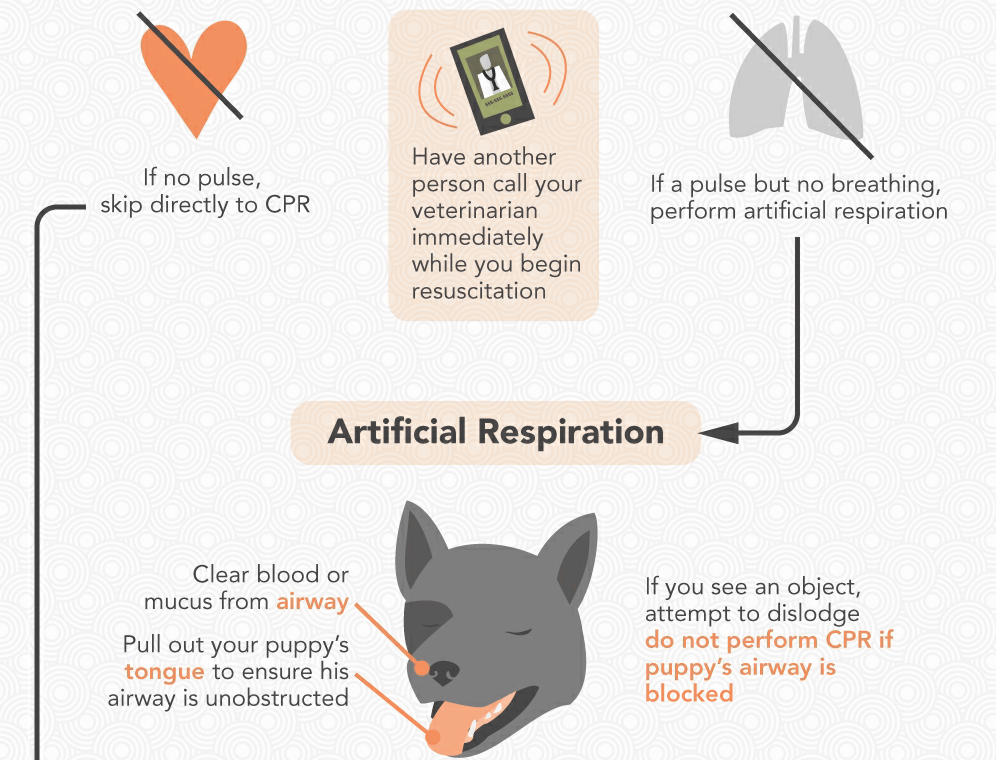


Puppy CPR Infographic Via the Carrington College Veterinary Technology Program at Carrington.edu.
Monday, June 25, 2012
Interview: Specialty Purebred Cat Rescue seeking foster homes in the Midwest
When you think of “rescue cats”, what comes to mind? Probably a tabby cat, or perhaps an orange tomcat. It is true that the majority of cats in shelters and rescue are mixed breed, but once in a while a purebred cat will find itself without a forever home, too. That’s where Specialty Purebred Cat Rescue comes in!
Many purebred cats do not adjust well in a shelter environment. Sensitive breeds like Siamese and Sphynx can become very ill, very quickly when placed in a stressful shelter situation. Purebred cats like Persians and Himalayans have rigorous grooming requirements, and often arrive with painful mats in their long coats. Specialty Purebred Cat Rescue takes in these special purebred cats, provides the proper veterinary care, and matches them up with new forever homes.
SPCR is an all volunteer group, and relies on the generosity of foster homes to provide shelter, care, socialization, and even nurse neglected or abused cats back to health. The number of purebred cats needing help is far greater than you might expect, and Purebred Cat Rescue is desperately seeking more foster homes.
Kirsten Kranz, Rescue Director of Specialty Purebred Cat Rescue, was kind enough to grant Mad About Pets an interview outlining the need for foster homes within their organization. Please read on to learn more about this wonderful rescue group!
(Mad About Pets) Where do the cats in your rescue organization generally come from?
(SPCR) Our cats come from everywhere. They come from shelters all over the midwest that call us to take their cats. They come from owners who can no longer keep them. They come off the streets when people find them. It's pretty much never-ending.
What are the most common types of cats seen in your rescue?
We most commonly see Siamese, Persians, Himlayans and Ragdolls. These are the most common purebreds out there and the most being bred. We place more than 500 cats a year.
What exactly is a foster home, and what are foster parents expected to do?
A foster home provides a safe haven for these cats to de-stress, get better and receive any vet attention they need so they can move on to their Forever Homes. Our rescue is entirely foster-based so we rely on our foster homes to care for and evaluate these cats for placement. Foster parents are expected to provide a quiet, spare room and consistent care for the cats in their care. They need to be able to take them to one of our vets as needed, assess the cats' needs and personalities and work closely with us throughout the process. Cats are adopted by screened and pre-approved adopters from the foster parents' homes or from local Petsmart stores.
Why are foster homes so important to Purebred Cat Rescue?
We are entirely foster based. Without foster homes this rescue would not exist!
Are there certain areas/cities where you are in the most need of new foster homes right now?
The Madison and Milwaukee areas certainly need more foster homes as the need is very great. We could also use fosters in the Racine/Kenosha area.
How can Mad About Pets’ readers get more information about becoming a foster home for your organization?
Please go to our website at http://www.purebredcatrescue.org/fostering-info . We have a fostering information page there.
If you are interested in helping out Specialty Purebred Cat Rescue, there are many ways! First, please consider fostering. This is the most direct way you can help. If you’re looking for a new feline friend, you should also consider adoption from SPCR! There are constantly new cats listed on the website, and all of them are looking for a great new home.
If you’re unable to foster or adopt at this time, there are many other ways to assist SPCR on their mission. Check out this page to learn all about items the rescue needs to care for the cats, donating through iGive, and many more ways to help out!
 |
| Many of the cats at SPCR arrive neglected and in desperate need of veterinary care |
SPCR is an all volunteer group, and relies on the generosity of foster homes to provide shelter, care, socialization, and even nurse neglected or abused cats back to health. The number of purebred cats needing help is far greater than you might expect, and Purebred Cat Rescue is desperately seeking more foster homes.
Kirsten Kranz, Rescue Director of Specialty Purebred Cat Rescue, was kind enough to grant Mad About Pets an interview outlining the need for foster homes within their organization. Please read on to learn more about this wonderful rescue group!
(Mad About Pets) Where do the cats in your rescue organization generally come from?
(SPCR) Our cats come from everywhere. They come from shelters all over the midwest that call us to take their cats. They come from owners who can no longer keep them. They come off the streets when people find them. It's pretty much never-ending.
 |
| Siamese cats are one of the common breeds SPCR takes in |
We most commonly see Siamese, Persians, Himlayans and Ragdolls. These are the most common purebreds out there and the most being bred. We place more than 500 cats a year.
What exactly is a foster home, and what are foster parents expected to do?
A foster home provides a safe haven for these cats to de-stress, get better and receive any vet attention they need so they can move on to their Forever Homes. Our rescue is entirely foster-based so we rely on our foster homes to care for and evaluate these cats for placement. Foster parents are expected to provide a quiet, spare room and consistent care for the cats in their care. They need to be able to take them to one of our vets as needed, assess the cats' needs and personalities and work closely with us throughout the process. Cats are adopted by screened and pre-approved adopters from the foster parents' homes or from local Petsmart stores.
Why are foster homes so important to Purebred Cat Rescue?
We are entirely foster based. Without foster homes this rescue would not exist!
 |
| SPCR takes in rare and unusual breeds, too! |
The Madison and Milwaukee areas certainly need more foster homes as the need is very great. We could also use fosters in the Racine/Kenosha area.
How can Mad About Pets’ readers get more information about becoming a foster home for your organization?
Please go to our website at http://www.purebredcatrescue.org/fostering-info . We have a fostering information page there.
If you are interested in helping out Specialty Purebred Cat Rescue, there are many ways! First, please consider fostering. This is the most direct way you can help. If you’re looking for a new feline friend, you should also consider adoption from SPCR! There are constantly new cats listed on the website, and all of them are looking for a great new home.
If you’re unable to foster or adopt at this time, there are many other ways to assist SPCR on their mission. Check out this page to learn all about items the rescue needs to care for the cats, donating through iGive, and many more ways to help out!
Friday, June 22, 2012
Combating a Serious Flea Problem


But removing the adult fleas does not solve the overall problem. Outdoor areas your pet frequents must be treated with a pesticide as well, usually a hose end sprayer full of a pyrethrin-based poison. The pet's bedding should be washed frequently in hot water and that and other areas your pet spends time in must be vacuumed. Then vacuum again often, as the vacuuming will cause vibrations that encourage the flea pupae to hatch and move around seeking a host. Young adult fleas will work their way out of a vacuum cleaner bag eventually, so empty your vacuum far away from the house or use a product like Flea Vac pellets to kill these insects inside the vacuum cleaner. These steps must be repeated periodically as well, to ensure you are capturing each successive generation of fleas.
Flea infestations can be maddening. But with a good plan and by staying mindful of the flea's lifecycle, any flea population can be brought under control and removed from your house.
About the Author
August Bering V, "Augie" to his friends, is President of Bering's Hardware in Houston, TX. Bering's is well known for a broad range of carefully selected home goods such as outdoor living products to pet products, and red carpet service that has delighted customers for generations since 1940. From your bridal registry, decorating your first home, to your first baby registry, Bering's has special gifts for special occasions and the right tools for the right job. Augie enjoys spending time with his family and friends, grilling and cooking, playing hard outside, travelling, design, art, live music, and spending as much time as he can with his family.
Subscribe to:
Posts (Atom)